Design systems and product surfaces for teams shipping faster with AI

I'm Vas—a Design Engineer building systems that hold up as teams ship faster, and the strategic judgement that decides what's worth building on top of them.

Better product decisions, built into systems that scale with the team and hold up as AI takes on more of the execution layer

01

01

01

Design systems

Designing, refactoring, and extending the systems your team and AI tools build on. Tokenised foundations, code-aligned components, documented conventions—built to be extended cleanly whether the next iteration ships from a designer, an engineer, or a model.

02

02

02

Product surfaces

Product, web, and marketing surfaces designed on-system. Brand, story, and product feel consistent from first touch to deep use.

03

03

03

Product strategy

Deciding what's worth building, what should stay, and what shouldn't ship. AI can execute well; the judgement of what to point it at is the part that doesn't get automated, and it's the part that decides whether the work compounds or just accumulates.

About

A decade in product design across scaling product teams, with the last few years focused on design systems, design engineering, and the strategic decisions that shape both. Past work includes Sage and Rosetta AI, where the design system became the foundation for three products.

Past clients include:

Sage

Maturing a design system at scale

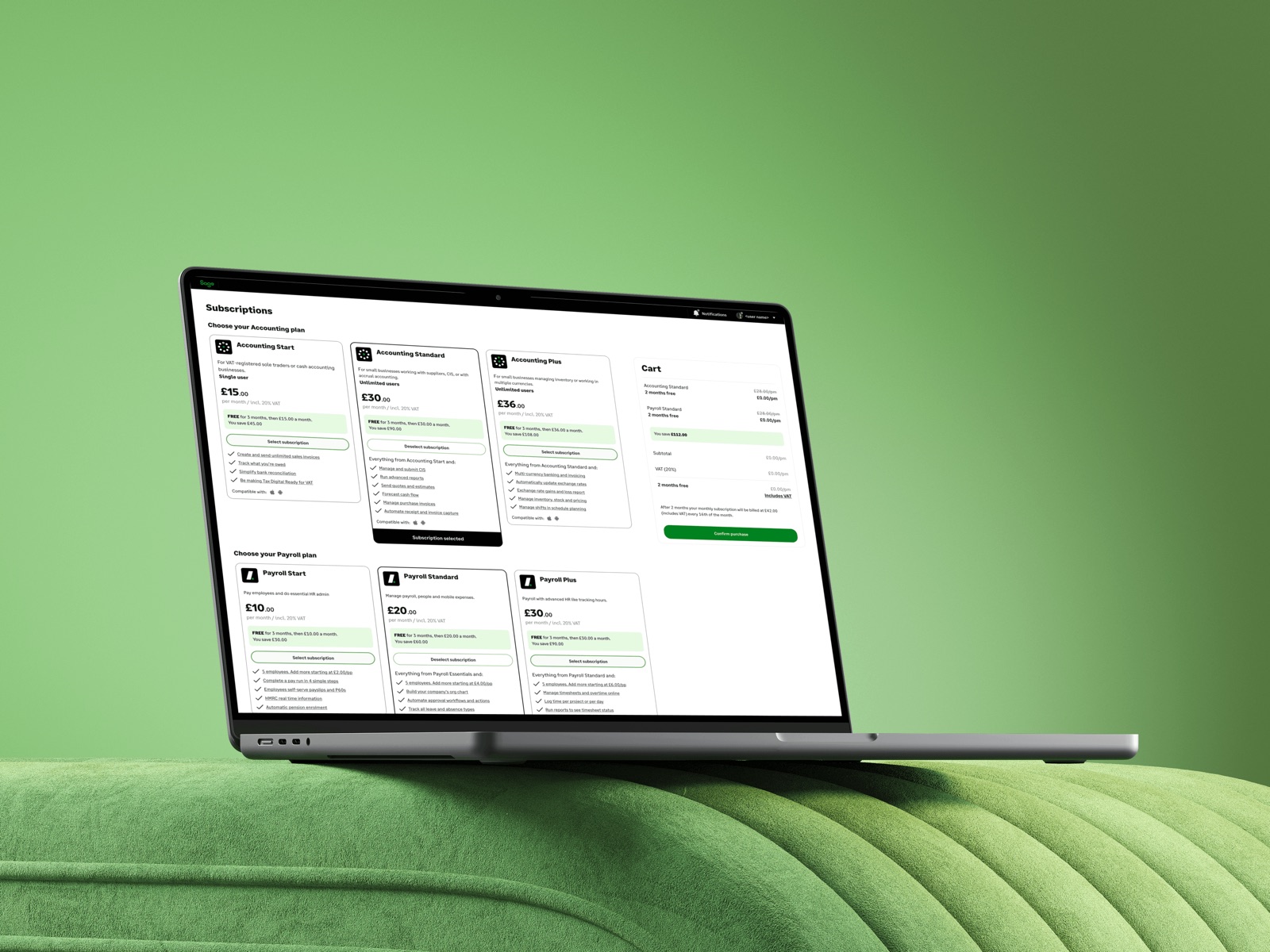
When a design system reaches the size of Sage's—spanning multiple product suites and growing teams—the parts most likely to fragment under growth are the components, tokens, and patterns that get reused most. The work at Sage focused there: refactoring Figma libraries, building WCAG 2.2-compliant components designed for reuse across multiple suites, and standardising tokens so the system stayed maintainable in code. The cross-team nature of design systems work meant most decisions ran through engineering, design managers, and the wider design team—narrowing the gap between design intent and what shipped.

"If you’re looking for a contractor who can seamlessly integrate into an existing design team, look no further than Vas.
He’s efficient, collaborative, and gets the job done with excellence.
Over the past year at Sage, I was consistently impressed by his ability to quickly adapt, communicate his ideas effectively to stakeholders, and deliver complex design patterns.
The sheer volume and quality of his work were remarkable, and the Sage Design System wouldn’t be as mature or robust as it is today without his contributions."

Luke Emmerson-Finch, Sage

Rosetta.ai

Building a system from zero, then three products on top

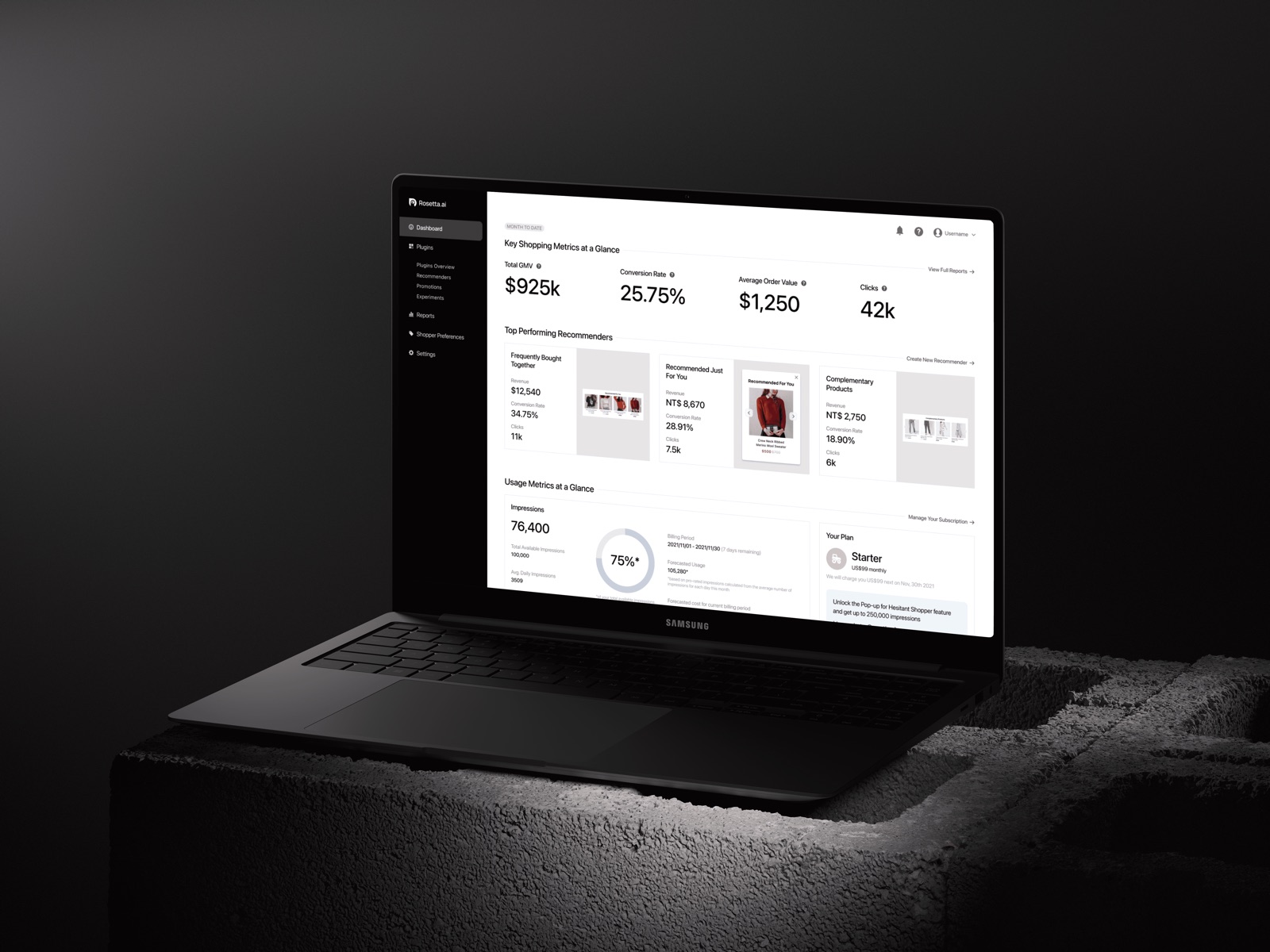
When a small team needs to ship multiple products in parallel without fragmenting the experience or accumulating rework, the system has to come first. At Rosetta AI—an e-commerce personalisation platform using AI for product recommendations—that meant establishing the design system before the product surfaces, then using it as the foundation for three products: a suite of merchant-facing plugins, a web app combining a plugin builder with preference and conversion analytics, and the marketing site. The work spanned the strategic and the executional—deciding which products to build, how they connected, and what the system needed to support before any of them shipped.

Pricing

I take on a small number of concurrent engagements, led directly by me, with specialist collaborators where the work calls for additional engineering, motion, or brand depth.

All engagements run async-first: one synchronous meeting per week, written reviews and shared workspaces otherwise, response times defined in business days. This protects the focus the work actually needs and matches how senior systems work usually moves.

Prices start at $15,000

Scoped project

Defined-scope engagements: design system audits, refactors, token migrations, component library builds, or product surface work. Typical engagements run 4–10 weeks.

Extended partnership

For multi-surface system builds or sustained work over a quarter or more. Outcomes-defined rather than availability-defined, billed monthly across a 3-month minimum.

Frequently asked questions
Who is Nordlean best for?

Product teams whose design infrastructure needs to scale — whether that's a growth-stage SaaS company shipping faster with AI tooling, or an established organisation modernising its systems to keep up with how engineering wants to build. The trigger is usually one of three things: a design system that's fragmenting under growth, design and engineering moving out of sync, or product direction that needs sharper judgement applied to live decisions.

Who isn't Nordlean for?

Pre-seed and seed-stage startups, teams looking for staff augmentation rather than senior depth, and anyone who needs a synchronous, embedded design partner on Slack throughout the day. The async model is the trade-off that makes the depth possible.

What's a typical engagement looks like?

Most engagements blend systems work with the strategic decisions that shape it. Scoped projects run 4–10 weeks. Extended partnerships run a quarter or more, with monthly billing and outcomes defined per phase. Deliverables are shaped to the situation rather than fixed upfront. Each engagement is led directly by me, with specialist collaborators brought in where the work calls for engineering, motion, or brand expertise. All work is scoped upfront to keep delivery predictable.

How do you work alongside AI tools?

The systems I build are designed to be extended — by engineering, by other designers, and by the AI tools your team uses. That means tokenised foundations, code-aligned components, and documented conventions that hold up whether the next iteration is built by a person or generated by a model. The strategic layer — deciding what to build and why — stays human.

Can you work with our existing design and engineering teams?

Yes. Most engagements involve working closely with in-house design managers, engineering leads, and product partners. I operate as an embedded specialist layer rather than as a separate vendor, designed to integrate cleanly with existing team structure and tooling.

What happens after a system ships?

For teams that want ongoing extension, governance reviews, or quarterly system check-ins, I offer light-touch maintenance agreements after the initial engagement completes. Scope and pricing depend on the system and what kind of ongoing support makes sense.

Pricing

I take on a small number of concurrent engagements, led directly by me, with specialist collaborators where the work calls for additional engineering, motion, or brand depth.

All engagements run async-first: one synchronous meeting per week, written reviews and shared workspaces otherwise, response times defined in business days. This protects the focus the work actually needs and matches how senior systems work usually moves.

Prices start at $15,000

Scoped project

Defined-scope engagements: design system audits, refactors, token migrations, component library builds, or product surface work. Typical engagements run 4–10 weeks.

Extended partnership

For multi-surface system builds or sustained work over a quarter or more. Outcomes-defined rather than availability-defined, billed monthly across a 3-month minimum.

Frequently asked questions
Who is Nordlean best for?

Product teams whose design infrastructure needs to scale — whether that's a growth-stage SaaS company shipping faster with AI tooling, or an established organisation modernising its systems to keep up with how engineering wants to build. The trigger is usually one of three things: a design system that's fragmenting under growth, design and engineering moving out of sync, or product direction that needs sharper judgement applied to live decisions.

Who isn't Nordlean for?

Pre-seed and seed-stage startups, teams looking for staff augmentation rather than senior depth, and anyone who needs a synchronous, embedded design partner on Slack throughout the day. The async model is the trade-off that makes the depth possible.

What's a typical engagement looks like?

Most engagements blend systems work with the strategic decisions that shape it. Scoped projects run 4–10 weeks. Extended partnerships run a quarter or more, with monthly billing and outcomes defined per phase. Deliverables are shaped to the situation rather than fixed upfront. Each engagement is led directly by me, with specialist collaborators brought in where the work calls for engineering, motion, or brand expertise. All work is scoped upfront to keep delivery predictable.

How do you work alongside AI tools?

The systems I build are designed to be extended — by engineering, by other designers, and by the AI tools your team uses. That means tokenised foundations, code-aligned components, and documented conventions that hold up whether the next iteration is built by a person or generated by a model. The strategic layer — deciding what to build and why — stays human.

Can you work with our existing design and engineering teams?

Yes. Most engagements involve working closely with in-house design managers, engineering leads, and product partners. I operate as an embedded specialist layer rather than as a separate vendor, designed to integrate cleanly with existing team structure and tooling.

What happens after a system ships?

For teams that want ongoing extension, governance reviews, or quarterly system check-ins, I offer light-touch maintenance agreements after the initial engagement completes. Scope and pricing depend on the system and what kind of ongoing support makes sense.

Pricing

I take on a small number of concurrent engagements, led directly by me, with specialist collaborators where the work calls for additional engineering, motion, or brand depth.

All engagements run async-first: one synchronous meeting per week, written reviews and shared workspaces otherwise, response times defined in business days. This protects the focus the work actually needs and matches how senior systems work usually moves.

Prices start at $15,000

Scoped project

Defined-scope engagements: design system audits, refactors, token migrations, component library builds, or product surface work. Typical engagements run 4–10 weeks.

Extended partnership

For multi-surface system builds or sustained work over a quarter or more. Outcomes-defined rather than availability-defined, billed monthly across a 3-month minimum.

Frequently asked questions
Who is Nordlean best for?

Product teams whose design infrastructure needs to scale — whether that's a growth-stage SaaS company shipping faster with AI tooling, or an established organisation modernising its systems to keep up with how engineering wants to build. The trigger is usually one of three things: a design system that's fragmenting under growth, design and engineering moving out of sync, or product direction that needs sharper judgement applied to live decisions.

Who isn't Nordlean for?

Pre-seed and seed-stage startups, teams looking for staff augmentation rather than senior depth, and anyone who needs a synchronous, embedded design partner on Slack throughout the day. The async model is the trade-off that makes the depth possible.

What's a typical engagement looks like?

Most engagements blend systems work with the strategic decisions that shape it. Scoped projects run 4–10 weeks. Extended partnerships run a quarter or more, with monthly billing and outcomes defined per phase. Deliverables are shaped to the situation rather than fixed upfront. Each engagement is led directly by me, with specialist collaborators brought in where the work calls for engineering, motion, or brand expertise. All work is scoped upfront to keep delivery predictable.

How do you work alongside AI tools?

The systems I build are designed to be extended — by engineering, by other designers, and by the AI tools your team uses. That means tokenised foundations, code-aligned components, and documented conventions that hold up whether the next iteration is built by a person or generated by a model. The strategic layer — deciding what to build and why — stays human.

Can you work with our existing design and engineering teams?

Yes. Most engagements involve working closely with in-house design managers, engineering leads, and product partners. I operate as an embedded specialist layer rather than as a separate vendor, designed to integrate cleanly with existing team structure and tooling.

What happens after a system ships?

For teams that want ongoing extension, governance reviews, or quarterly system check-ins, I offer light-touch maintenance agreements after the initial engagement completes. Scope and pricing depend on the system and what kind of ongoing support makes sense.

© Nordlean LTD -

2026

All rights reserved

© Nordlean LTD -

2026

All rights reserved

© Nordlean LTD -

2026

All rights reserved